axe throwing booking system

Axe Throwing Booking System

Blade is an axe throwing booking system built for lane schedules, digital waivers, live scoring, league nights, tournaments, memberships, and venue operations in one stack.

axe throwing booking system

axe throwing booking softwarelane booking softwareaxe throwing reservation system

Starts at

$0 on Starter

Booking fee

6% on Starter, 3% on Pro

Included

booking, scoring, leagues, ops

What Blade fixes first

Online booking that understands lane time, buffers, groups, and private events

Waivers, check-in, scoring, and results attached to the same booking record

League, tournament, and loyalty tools that keep the next visit moving

Built for live venues

The booking layer should sell the experience and steady the shift.

Publish booking flows that can handle standard lane sessions, parties, private buyouts, and league nights without manual rescue work.

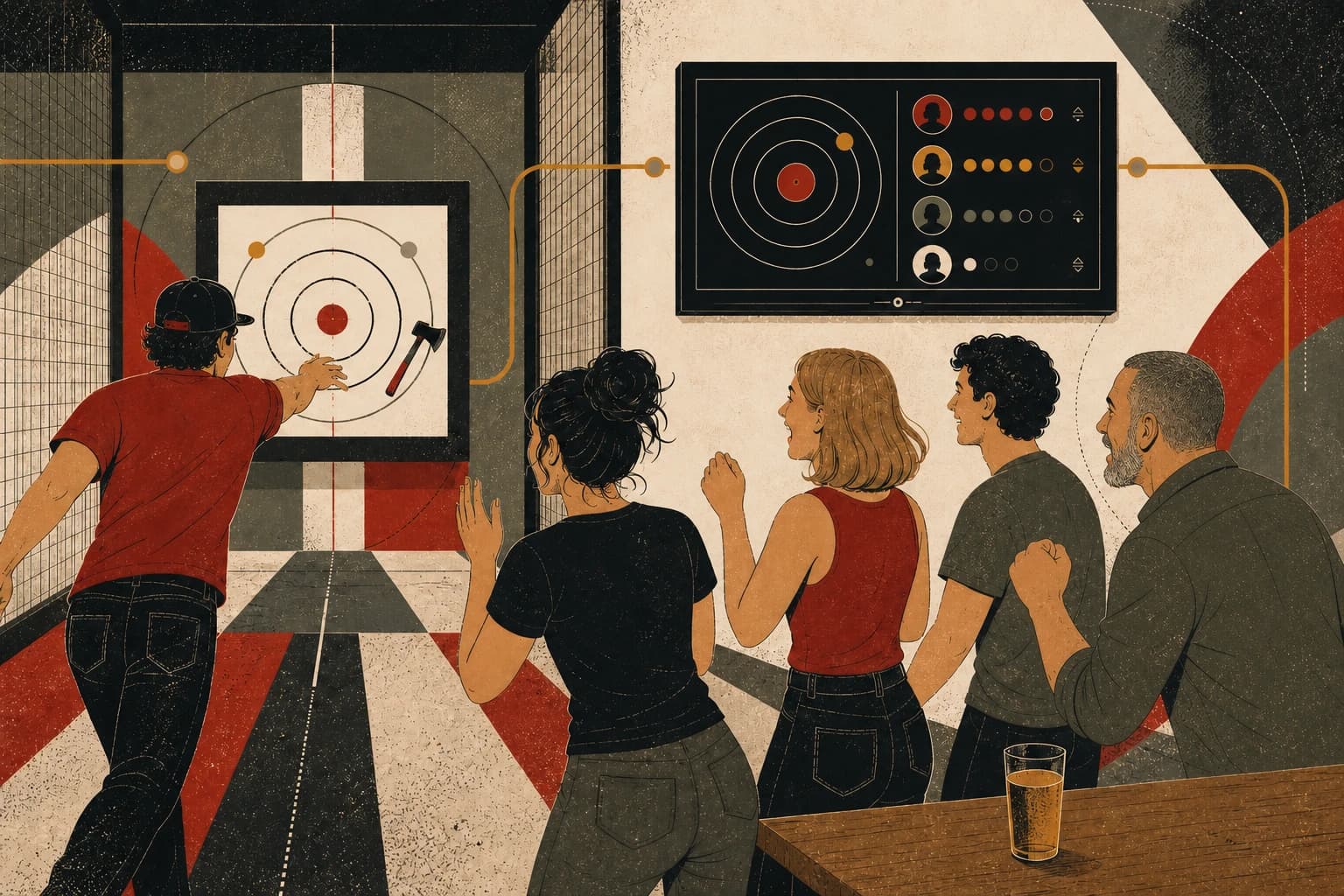
Keep waivers, check-in, add-ons, balances, digital scoring, and shareable results on one operating surface.

Run lane screens, leaderboards, promotions, memberships, and repeat-visit campaigns from the same system.

Give owners one view of demand, lane utilization, revenue, and returning throwers instead of juggling calendars and spreadsheets.

Best fit

Best for venues that want one system behind the sale, the shift, and the scorecard

Single-location axe houses that need a cleaner booking flow fast

Multi-lane venues juggling walk-ins, reservations, and league cadence

Owners tired of stitching together booking, waiver, and scoring tools

What operators need the system to do

The software earns trust by handling the hard parts cleanly.

01

Axe venues have to manage more than open slots

A real axe throwing booking system has to understand lane capacity, session length, reset buffers, coaching time, league blocks, private-event rules, and the day-of-house rhythm that starts the moment the first group walks in.

That is why Blade keeps booking, waivers, desk flow, scoring, and post-session follow-up connected. The booking system should not stop helping the venue once the checkout succeeds.

Lane-level scheduling logicPrivate events and public sessionsDeposits, balances, and add-onsScoring and results in the same record

02

The checkout should feel sharp before the lobby gets busy

Guests need to understand duration, thrower count, pricing, waiver expectations, and what happens after they book with as little friction as possible. If the answers are buried, staff ends up rescuing the sale over text or phone.

Blade gives venues a booking surface that feels clear and high-confidence while still carrying the heavier operational rules that make the night run smoothly.

03

One operating record makes the venue faster

When the booking record also carries waiver status, check-in notes, lane state, scores, photos, review prompts, and return-visit offers, the team moves faster in every direction.

That is where the booking system starts acting like the operating system for the venue instead of a widget bolted onto it.

Questions owners ask

The practical questions usually decide the switch.

What makes Blade different from generic booking software?

Blade is built for axe throwing, so bookings stay connected to waivers, live scoring, lane operations, leagues, tournaments, and follow-up marketing instead of stopping at checkout.

Can Blade handle private events and league nights in the same system?

Yes. Blade supports standard lane sessions, private bookings, group packages, recurring league blocks, and tournament days without sending staff back to spreadsheets.

Does Blade work for venues with multiple lanes and different pricing rules?

Yes. Blade supports lane-level schedules, dynamic pricing, buffers, add-ons, and time-slot logic built around how axe houses actually sell time.

Next step

See how Blade fits your venue before you rebuild anything.

Compare the booking flow, the lane workflow, and the reporting layer together. That is where purpose-built software usually wins.