How to Fill Empty Lanes Without Discounting Everything
A practical look at happy hour, plan-and-save, dynamic pricing, and waitlist strategy for axe houses.
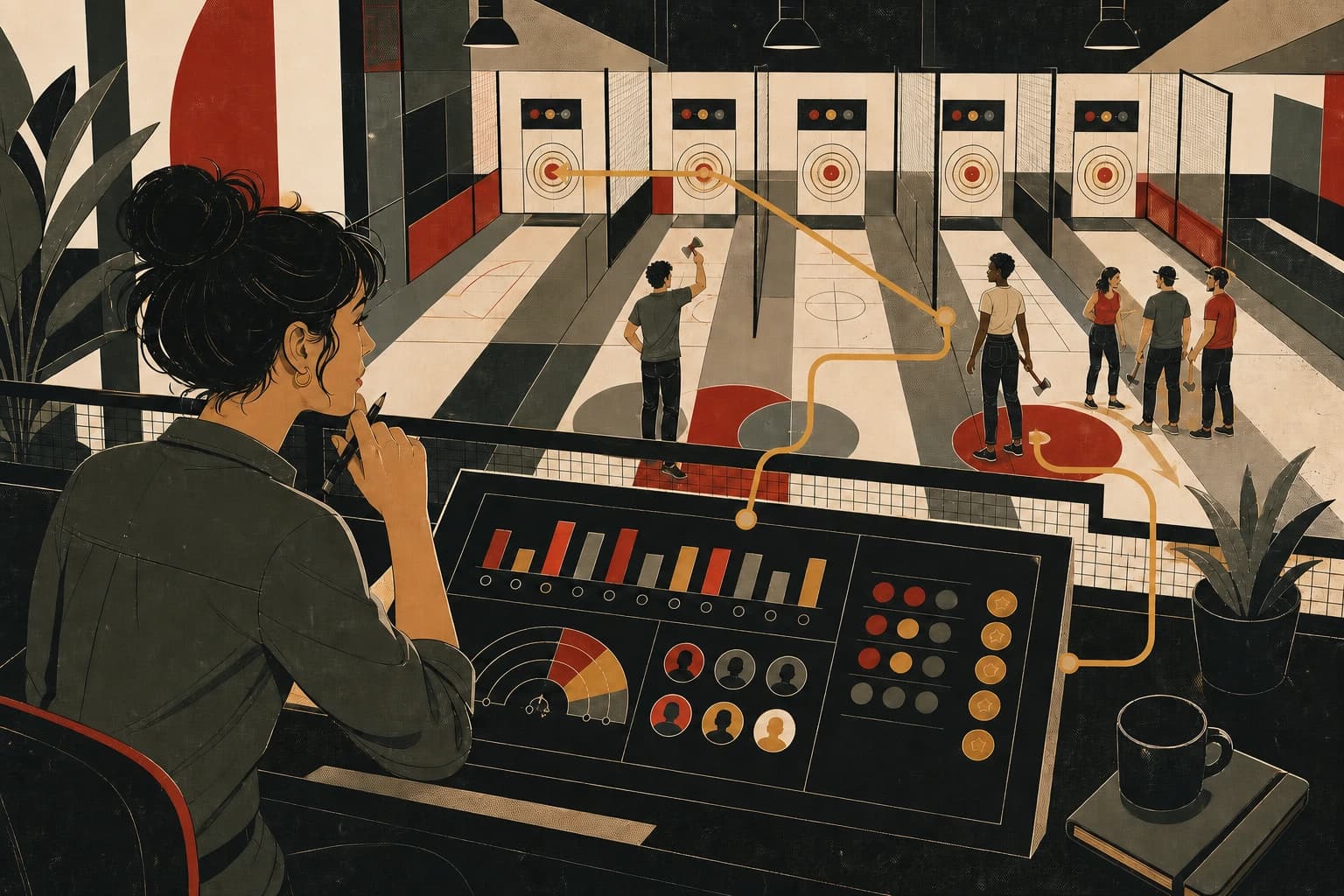
Blade resources / FIELD
How to Fill Empty Lanes Without Discounting Everything
Why this matters
A practical guide for owners comparing booking, front-desk, lane, league, customer, and reporting workflows.
Quick takeaways
The goal is to move weak inventory without training customers to wait for deep discounts.
Advance-booking incentives and last-minute offers should serve different jobs.
Waitlists help recover demand when the calendar is tight, not just when it is empty.
01
Not every empty lane deserves the same fix
A slow Tuesday afternoon and a sold-out Saturday with a couple of cancellations are different demand problems. The same discount can reduce the price of inventory with very different demand.
Separate advance-booking incentives, low-demand offers, and overflow recovery so each has a clear purpose.
02
Use pricing moves with a clear job
Plan & Save applies to advance bookings. Happy hour targets near-term inventory. Dynamic pricing lets the venue set different prices for different demand periods.
Configure each rule for the relevant lane, daypart, and availability state instead of applying one discount everywhere.
03
Waitlists capture demand that otherwise disappears
When a guest hits a full slot, the venue should not lose them to a dead end. A waitlist keeps the opportunity alive and lets the business recover demand when a cancellation or expired hold opens up inventory.
This gives the venue a way to contact interested guests when inventory reopens without relying on another discount.
More guides for axe throwing operators.
Each article focuses on a specific buying or operating decision: booking, lane use, check-in, scoring, leagues, or reporting.
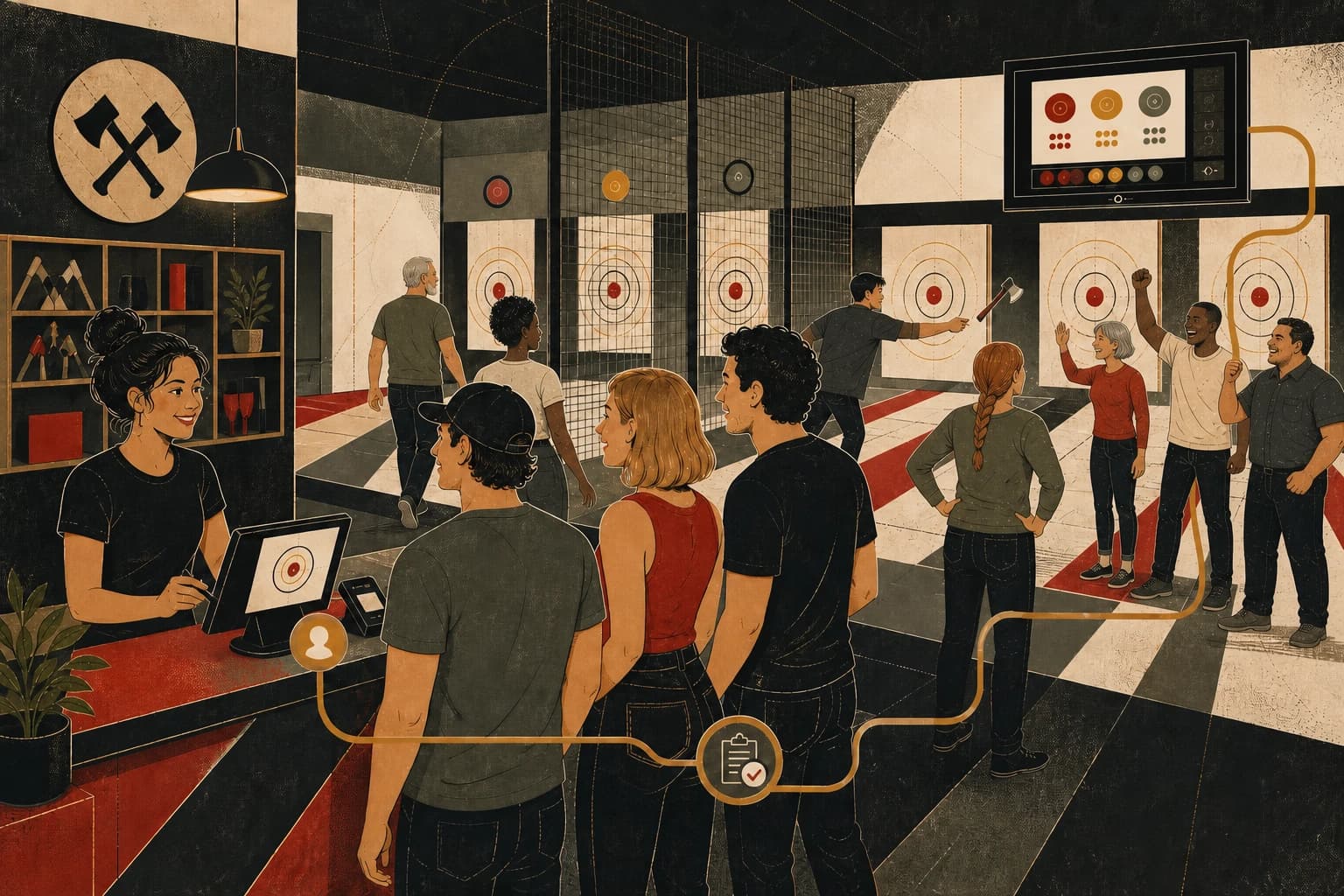
Blade resources / 01
How to Choose Axe Throwing Booking Software
What owners should compare before they swap booking tools for their axe throwing venue.
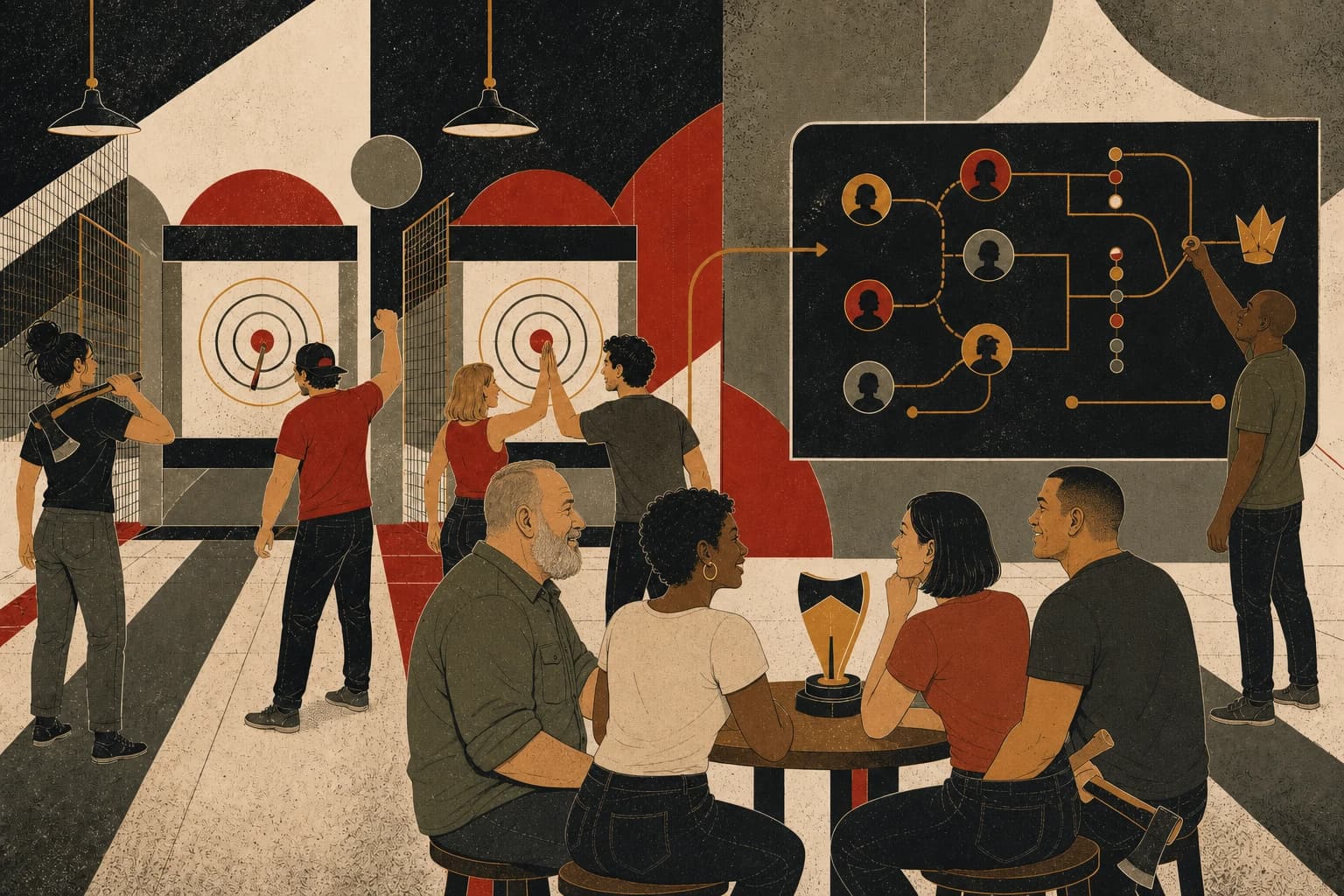
Blade resources / 02
How to Run Leagues and Tournaments Without Spreadsheets
How to manage scoring, standings, brackets, player records, and bookings in one league workflow.
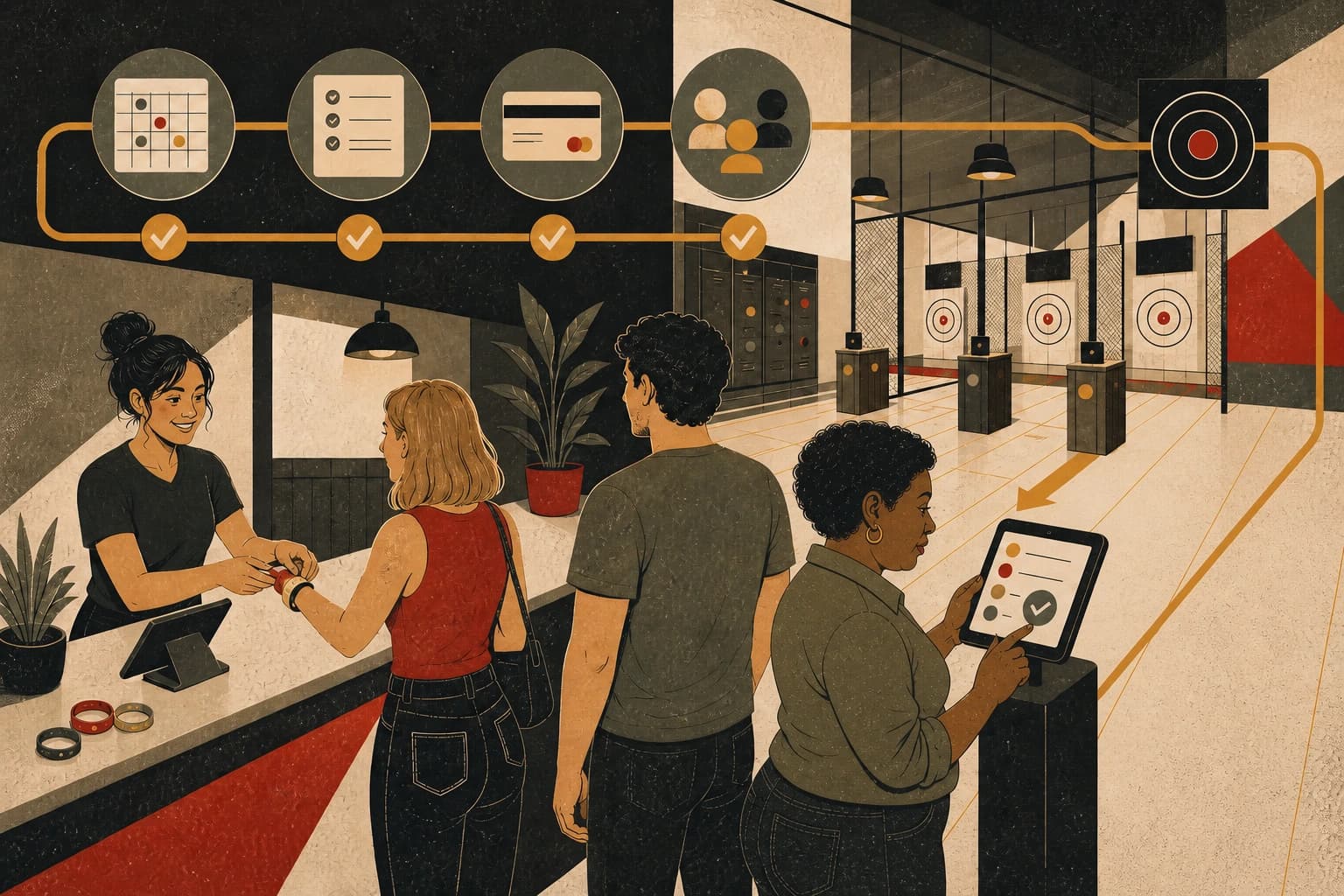
Blade resources / 03
How to Speed Up Waivers and Check-In at the Desk
How venues can cut lobby friction before a busy shift turns into a queue problem.
Blade resources / 04
What to Watch in an Axe Throwing Dashboard
The views owners can use when reviewing lanes, staffing, pricing, leagues, and customer activity.
See how Blade handles this across the venue.
Compare your current process with Blade’s connected workflow for booking, scoring, check-in, customer records, and reporting.